
Table of Contents
- Why Carriers Are Watching Your Sierra Number
- Why This Matters for Your Business
- Building Trust With Every Call and Text
- Tools That Help You Stay Compliant
- Best Practices
- Troubleshooting Common Issues
- FAQs
Why Carriers Are Watching Your Sierra Number
Carriers score every business number against a handful of signals, and any one of them can trigger a spam flag. A low answer rate suggests people aren't recognizing your number. Calls that last under four seconds look like hang-ups, which reads as unwanted contact. Dialing the same number repeatedly in a short window resembles wardialing behavior. A high rate of "report as spam" or "decline" responses damages your score directly, and calling at unusual hours, say, 3 a.m., draws extra scrutiny even if the call itself is legitimate.
None of these signals are about intent. They're about pattern. A well-meaning agent who calls three times in an hour trying to reach a hot lead can trip the same flags as an actual spam operation.
Why This Matters for Your Business
A flagged number doesn't just get labeled "Spam Likely"; carriers can throttle or block delivery outright, which means your follow-up simply doesn't reach the lead. For an agent relying on speed-to-lead, that's the difference between a live conversation and a missed opportunity. Protecting your number's reputation is protecting your pipeline.
Building Trust With Every Call and Text
The fastest way to avoid a spam flag is to make sure people recognize you before the phone rings. Add your Sierra Dialer number to your email signature and website, encourage clients to save it, and open every text with your name, company, and reason for reaching out. Personalized messages tied to a saved search, viewed property, or prior conversation perform better than generic outreach and signal a real one-to-one conversation.
Consent matters just as much. Only text leads who’ve opted in, make opt-out instructions clear in your first message, and honor them immediately. For calls, follow state-specific rules, avoid numbers on the Do Not Call Registry, and mark no-contact requests in your CRM. If a call goes unanswered, leave a voicemail or send a text instead of calling again right away, since repeated unanswered calls can look like wardialing. Ongoing conversations through Sierra Dialer also tend to earn better answer rates than isolated outreach.
The same goes for texting: keep messages personal, avoid spam-trigger language, use full URLs instead of shortened links, and include your name and business in the message itself.
Tools That Help You Stay Compliant
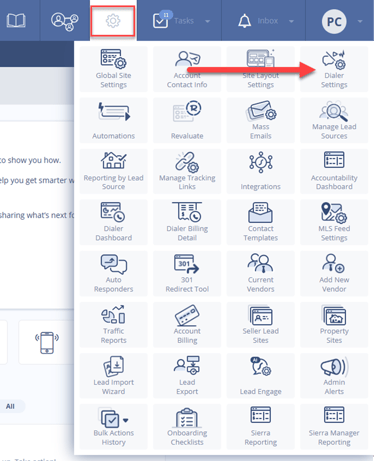
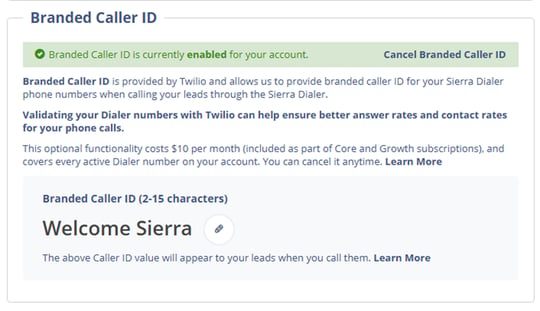
Sierra Dialer includes a few tools built specifically to help you monitor and protect your number's standing. Sierra Branded Caller ID displays your name and business when you call, which meaningfully improves recognition and answer rates compared to an unlabeled number.
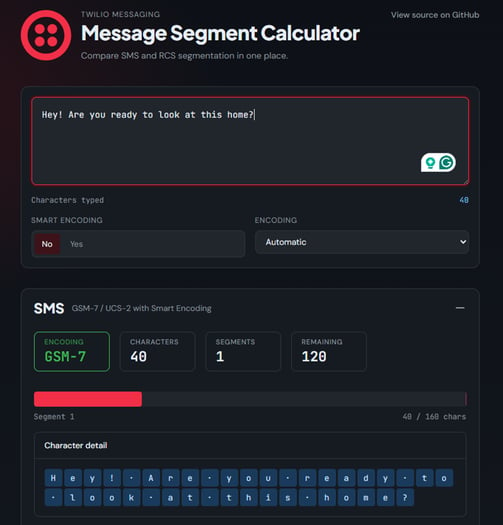
A Text Segment Counter (like this one from Twilio) shows you in real time when a message is about to split into multiple segments, which helps you avoid unexpected charges and keeps your texts reading as intentional, single messages rather than a fragmented series.
Beyond Sierra's own tools, it's worth checking your number's standing on external phone reputation registries like FreeCallerRegistry and Numeracle, and reviewing Twilio's SMS guidelines for both the US and Canada if you send a high volume of texts. Sierra's Spam Word Avoidance Guide is also a useful reference before you finalize any templated message.
Best Practices
- Regularly check your answer and opt-out rates to gauge effectiveness.
- Implement personalized messaging techniques rather than relying on generic scripts.
- Avoid sending messages during unusual hours where possible.
- Monitor campaign performance to minimize potential complaints.
- Utilize Sierra’s features to effectively manage compliance and tagging.
Troubleshooting Common Issues
If your texts are getting flagged or blocked, check the message for spam trigger words first, and confirm the lead actually opted in, carriers filter more aggressively against numbers without a clean opt-in history. If your answer rates are low, the fix is usually personalization and pacing: over-contacting a lead in a short window does more damage than it helps. A rising opt-out rate is worth treating as direct feedback; revisit your message content, the time of day you're sending, and whether your targeting is too broad
FAQs
-
What’s the best way to avoid being marked as spam?
Always personalize messages, clearly introduce yourself, and avoid repetitive, unsolicited outreach.
-
Do I need opt-in for text messages?
Yes. Explicit opt-in is required to comply with TCPA regulations and to mitigate carrier filtering.
- Is it okay to text leads after one failed call?
Yes, but ensure your message includes your name, the reason for contact, and an opt-out option.